Dr. Halaas: A Leading Rhinoplasty Surgeon in NYC

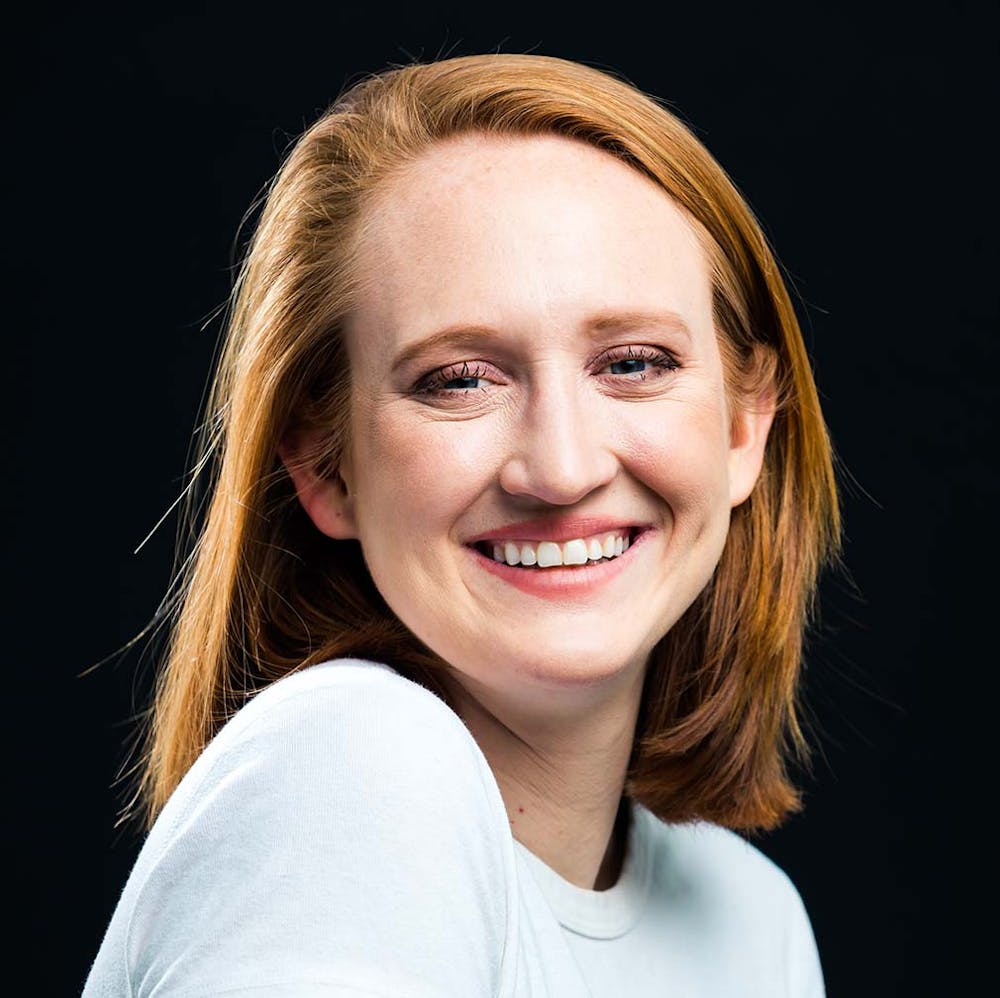
Dr. Halaas is double board-certified by the American Board of Otolaryngology and the American Board of Facial Plastic and Reconstructive Surgery — the credentials most directly applicable to nasal surgery. As an otolaryngologist and facial plastic surgeon, she is uniquely trained in both the cosmetic and functional dimensions of rhinoplasty, meaning she evaluates the nose not only for how it looks, but for how it breathes. Her multicultural background — and her fully bilingual English-Spanish practice — means she has extensive experience working with patients of varied ethnic backgrounds and understands the importance of preserving each patient's distinctive features while achieving their aesthetic goals. She performs rhinoplasty in NYC in her private AAAASF-nationally accredited surgical suite, with an approach guided by her Science & Beauty philosophy: surgical refinement in service of natural, balanced results.

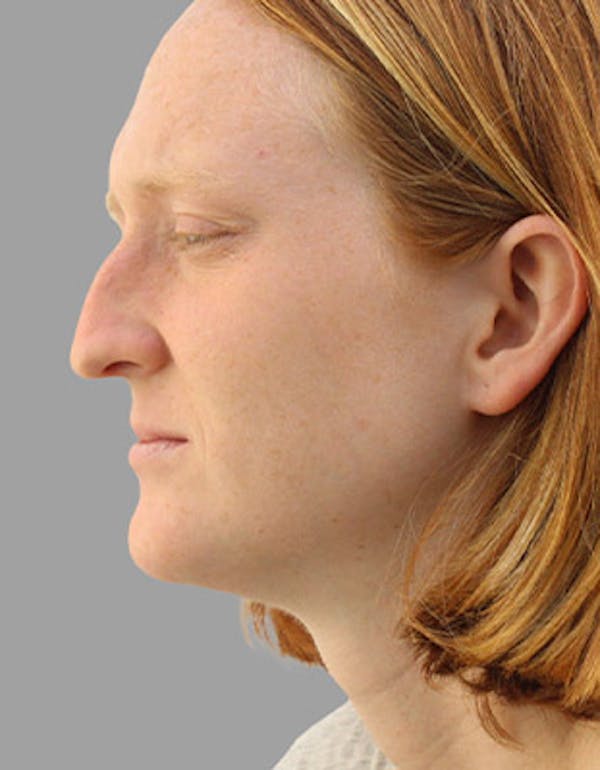
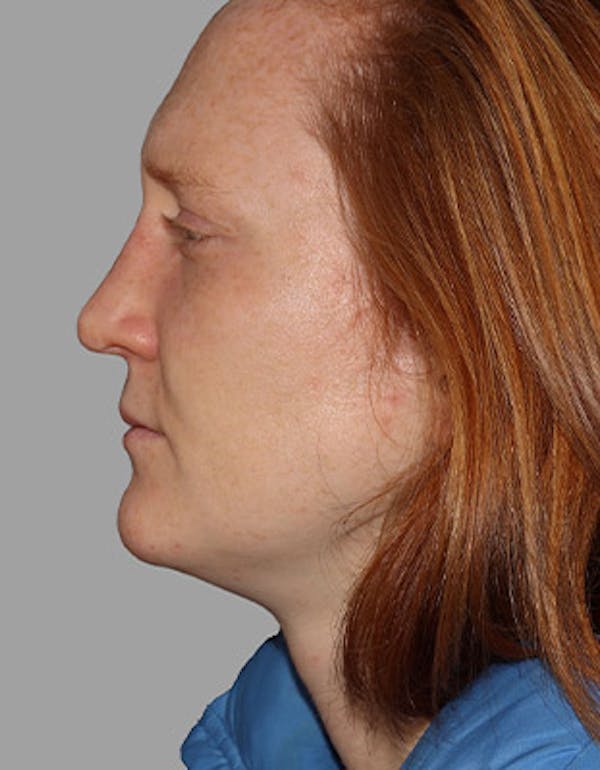
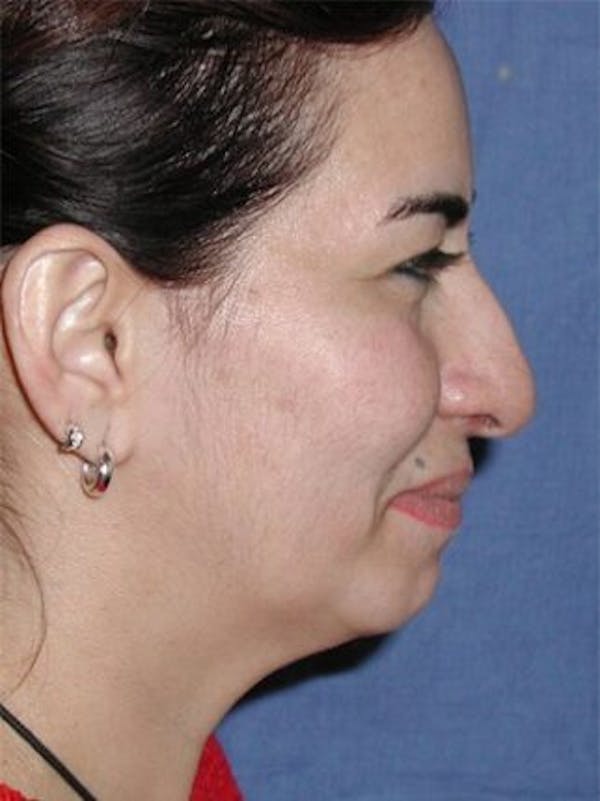
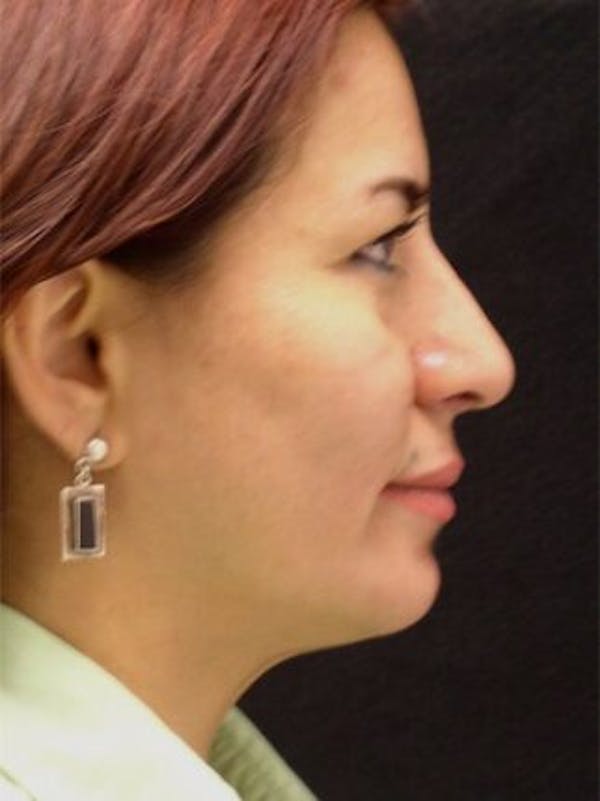
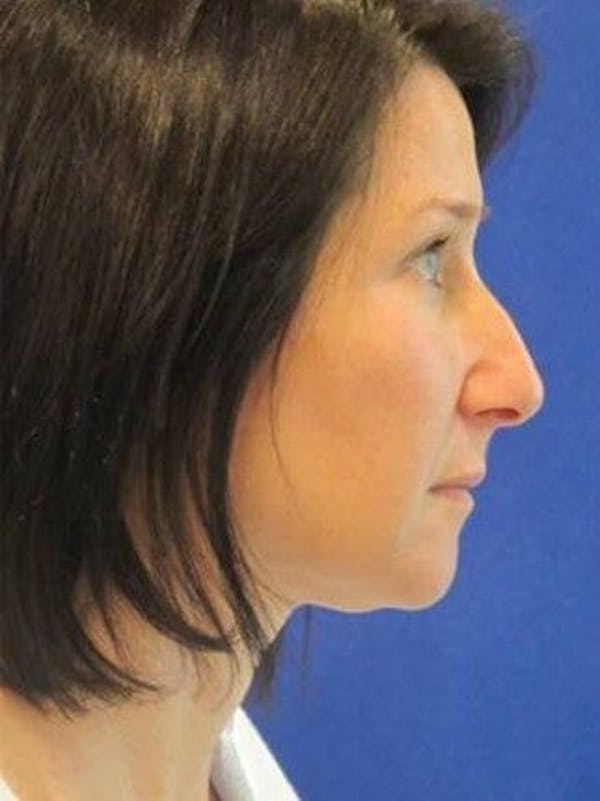
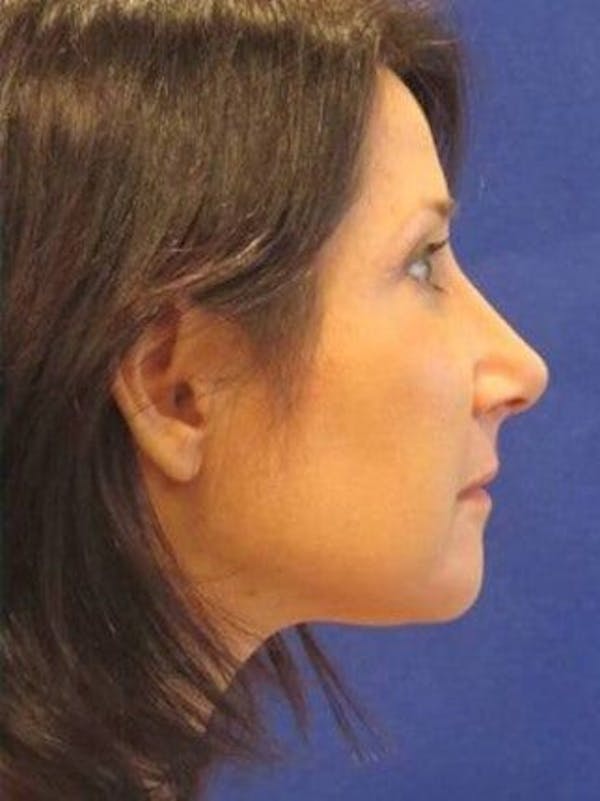
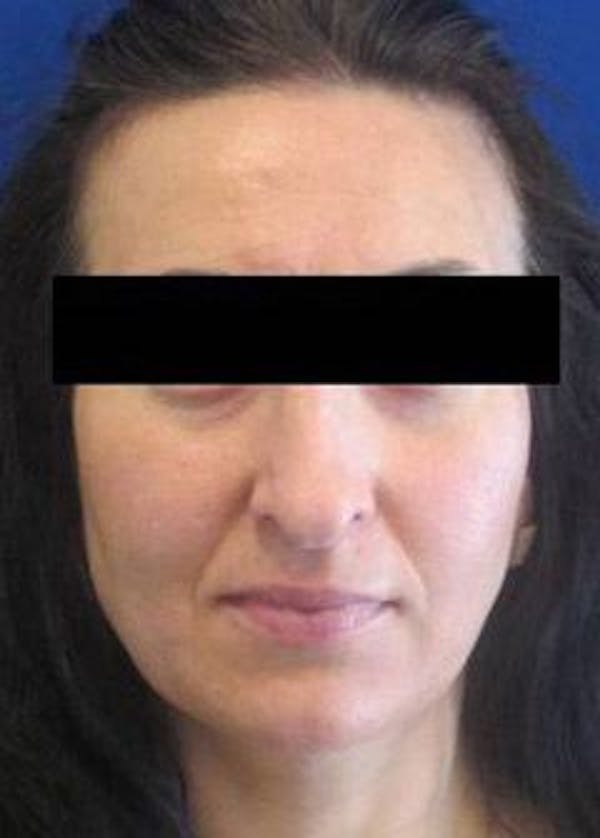
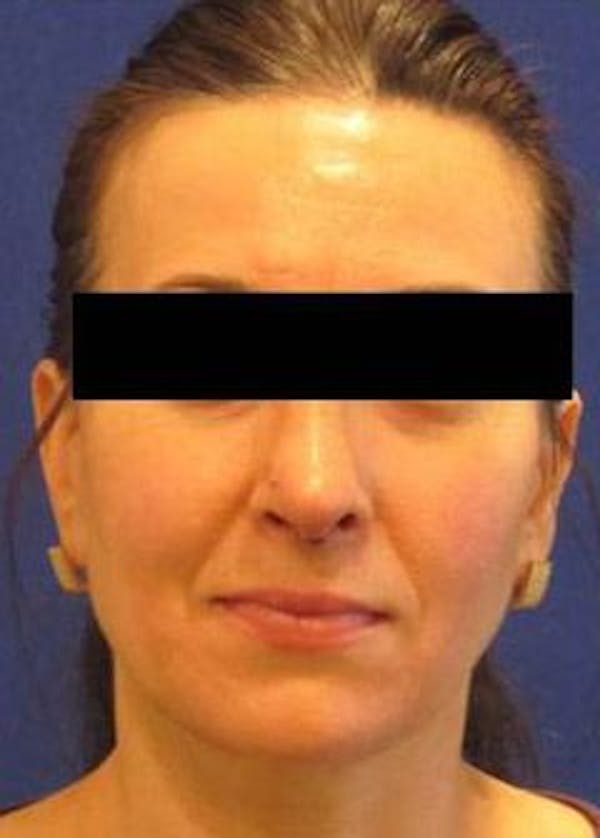
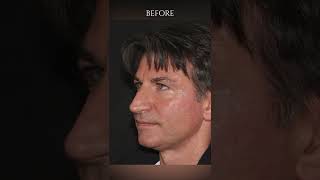
Before & After: Rhinoplasty in NYC

Real Patient

What Is Rhinoplasty?

Rhinoplasty is a surgical procedure that reshapes the nose by modifying the bone, cartilage, and soft tissue structures beneath the skin. It can address a wide range of concerns — from the removal of a dorsal hump to refinement of the nasal tip, narrowing of wide nostrils, correction of a deviated or crooked nose, or improvement of nasal symmetry following injury.

Rhinoplasty can be purely cosmetic, purely functional (such as correcting a deviated septum that obstructs breathing), or both simultaneously — what is known as a septorhinoplasty. According to the American Society of Plastic Surgeons, rhinoplasty is consistently one of the most performed cosmetic surgical procedures in the United States each year.

Rhinoplasty Techniques Dr. Halaas Offers

No two noses are alike, and no two rhinoplasties should be either. Dr. Halaas tailors her surgical approach to each patient's anatomy and aesthetic goals:

Open vs. Closed Rhinoplasty

  • Open rhinoplasty — A small incision is made across the columella (the tissue between the nostrils), allowing full access to the nasal framework. This approach is preferred for more complex reshaping or tip work.
  • Closed rhinoplasty — All incisions are placed inside the nostrils, leaving no external scar. This approach is well-suited for patients requiring more limited modifications.

Ethnic Rhinoplasty

Dr. Halaas has extensive experience performing rhinoplasty for patients of diverse ethnic backgrounds, with a specific focus on preserving and respecting the patient's natural features:

Functional Rhinoplasty

For patients whose primary concern is breathing rather than appearance, functional rhinoplasty addresses structural issues such as deviated septum, nasal valve collapse, or turbinate hypertrophy. This procedure may qualify for insurance coverage.

Revision Rhinoplasty

Revision rhinoplasty corrects the results of a prior rhinoplasty that did not meet the patient's expectations — either cosmetically or functionally. This is among the most technically challenging procedures in the field, and one Dr. Halaas is experienced in performing.

Benefits of Rhinoplasty

When performed by a skilled facial plastic surgeon, rhinoplasty offers benefits that extend well beyond aesthetics:

  • Improved facial balance — The nose sits at the center of the face; even subtle refinements can bring the entire face into greater harmony.
  • Enhanced breathing — When functional concerns are addressed, patients often experience a meaningful improvement in nasal airflow that affects sleep quality, exercise tolerance, and daily comfort.
  • Permanent results — Rhinoplasty produces lasting structural changes that do not require maintenance.
  • Increased confidence — For many patients, rhinoplasty resolves a concern they have carried for years — with a quiet but significant impact on self-assurance.
  • Natural appearance — In experienced hands, the results look like the nose the patient was always meant to have, not an operated nose.

Are You a Candidate for Rhinoplasty in NYC?

Rhinoplasty candidates are generally 16 years or older, at which point nasal growth is complete. The procedure is appropriate for patients with a wide range of concerns:

  • A dorsal hump (bump on the bridge of the nose)
  • A wide, flat, or bulbous tip
  • A crooked, asymmetrical, or deviated nose
  • Wide nostrils that feel out of proportion
  • A nose that feels too large or too small relative to the rest of the face
  • Difficulty breathing through one or both nostrils
  • Dissatisfaction with prior rhinoplasty results

Good general health, realistic expectations, and a clear understanding of what surgery can and cannot achieve are all essential. Dr. Halaas will review all of these factors during a consultation.

Patient Testimonial

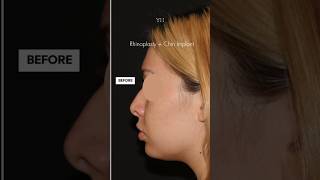
"I have been wanting to get a nose job since high school and 20 years later I finally went through with it. Dr Halaas was referred to me and I understand why. I couldn’t be happier with the results. The best part is that people can tell that something has changed but can’t place it - it does not look like a typical nose job nose, which is exactly what I wanted. I also ended up getting my chin done, something I never would have considered but made such a difference! Her professionalism, patience and the overall experience was well worth the investment."
Amanda C.

What to Expect: Consultation, Surgery, and Recovery

Consultation and Cost for Rhinoplasty in NYC

The rhinoplasty consultation is one of the most important conversations in the process. Dr. Halaas listens carefully to what the patient wants to change, assesses the nasal structure from multiple angles, and explains exactly what can be achieved surgically. She may use imaging to illustrate potential outcomes. Rhinoplasty cost in NYC varies based on the complexity of the procedure, anesthesia, and facility fees. A personalized quote is provided following the consultation.

The Rhinoplasty Procedure

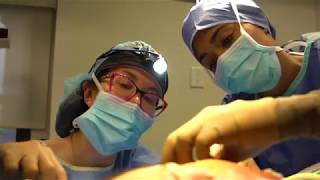
Rhinoplasty is performed under general anesthesia in Dr. Halaas's AAAASF-accredited private surgical suite. Surgery typically takes 2–4 hours, depending on the technique and complexity. A splint is placed on the nose at the end of the procedure and worn for approximately one week.

Rhinoplasty Recovery Timeline

  • Week 1 — Splint in place; bruising and swelling are most prominent; rest required.
  • Weeks 2–3 — Splint removed; most bruising resolved; patients can return to non-strenuous work and social activities.
  • Months 1–3 — Swelling continues to resolve; the general shape of the result becomes visible.
  • Up to 12 months — Full, final results emerge as all residual swelling — particularly in the tip — completely resolves.

Patients are advised to avoid strenuous activity, contact sports, and sun exposure for several weeks, and to protect the nose from any impact for several months post-operatively.

Ethnic and Revision Rhinoplasty in NYC

Dr. Halaas's multicultural background and extensive patient diversity make her particularly well-suited to perform rhinoplasty for patients of varied ethnic heritage. Ethnic rhinoplasty requires not only technical skill but cultural fluency — an understanding of the features that are important to preserve while achieving the patient's personal goals.

For patients who have had a previous rhinoplasty and are unhappy with the outcome, revision rhinoplasty is a highly specialized procedure that demands exceptional surgical experience and judgment. Dr. Halaas welcomes revision rhinoplasty consultations and approaches each case with the same careful, patient-centered process she applies to primary procedures.

Rhinoplasty FAQs

How long is rhinoplasty recovery?

Most patients return to work within 1–2 weeks and to social activities within 2–3 weeks. The nose continues to refine and settle for up to 12 months, with the majority of the result visible at 3–6 months.

Will rhinoplasty results look natural?

When performed by an experienced surgeon with a strong understanding of facial proportions, rhinoplasty results look like a natural, balanced version of the patient's own nose — not a surgically altered one. Dr. Halaas's approach prioritizes harmony with the patient's other facial features.

What is the difference between open and closed rhinoplasty?

Open rhinoplasty involves a small external incision across the columella that allows full surgical access; it is preferred for more complex reshaping. Closed rhinoplasty uses only internal incisions and is suitable for more limited modifications. Dr. Halaas will recommend the appropriate approach based on each patient's goals.

Does rhinoplasty hurt?

Most patients experience mild to moderate discomfort rather than pain. Swelling and congestion are the primary sources of discomfort in the first 1–2 weeks. Medication provided by Dr. Halaas's team keeps patients comfortable throughout recovery.

What does rhinoplasty cost in NYC?

Cost depends on the complexity of the procedure, technique, anesthesia, and whether functional correction is included. A personalized estimate is provided following the consultation. Functional rhinoplasty may be partially covered by insurance.

Schedule Your Rhinoplasty Consultation in NYC

If you have been considering rhinoplasty, a consultation with Dr. Halaas is the most important first step. She will take the time to understand exactly what you want to change, assess whether it is surgically achievable, and give you an honest, thorough recommendation.

This information is provided for educational purposes only and does not replace a consultation with a board-certified plastic surgeon. Outcomes, risks, and suitability vary from patient to patient.

Written by Dr. Halaas

Schedule A Consultation

In-Office Virtual

© Yael Halaas MD. All Rights Reserved.

Terms & Conditions Privacy Policy

Contact Us