Why Choose Dr. Halaas for Eyelid Surgery in NYC

Blepharoplasty requires an intimate knowledge of facial anatomy and an artistic eye — qualities Dr. Halaas brings to every procedure. She is double board-certified by the American Board of Otolaryngology and the American Board of Facial Plastic and Reconstructive Surgery, and performs all surgery in her private, AAAASF-nationally accredited surgical suite in New York City.

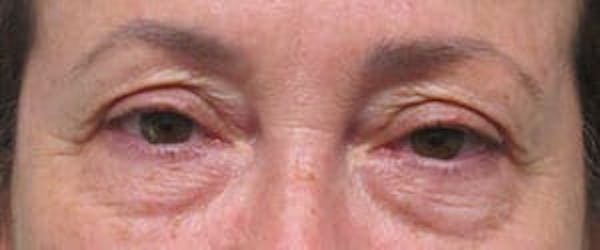
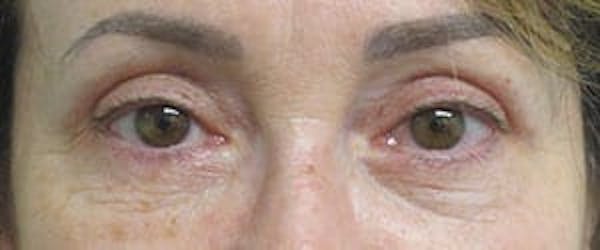
Eyelid rejuvenation is among Dr. Halaas's primary areas of specialty, and her patients consistently describe outcomes that look natural, not operated on. One patient who had both upper and lower blepharoplasty in Dr. Halaas's surgical suite noted: "The experience was positive from beginning to end, and I have recommended her to friends."

Blepharoplasty Patient Reviews

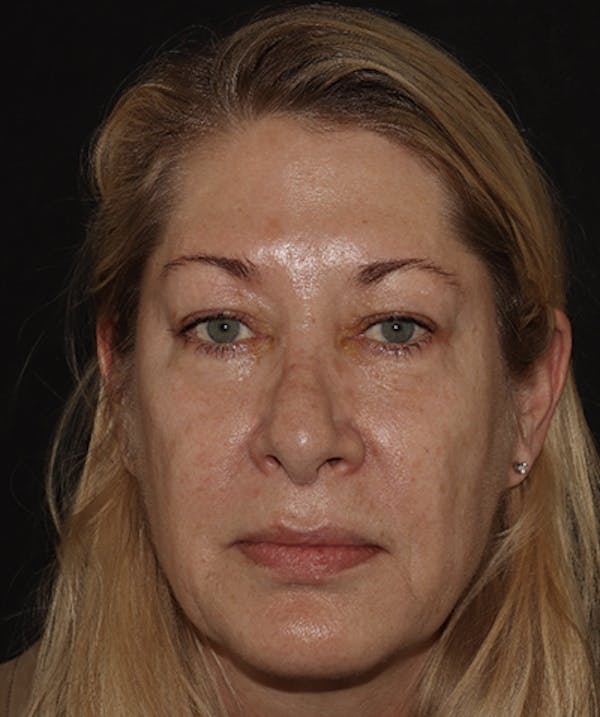
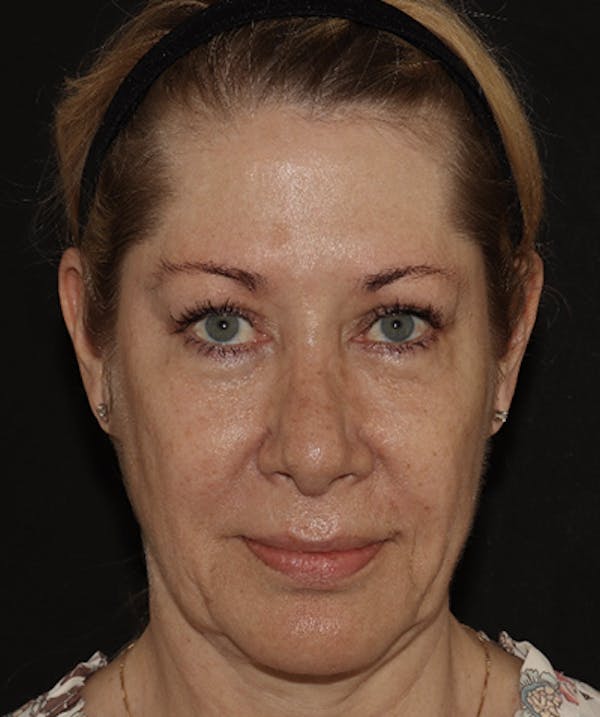
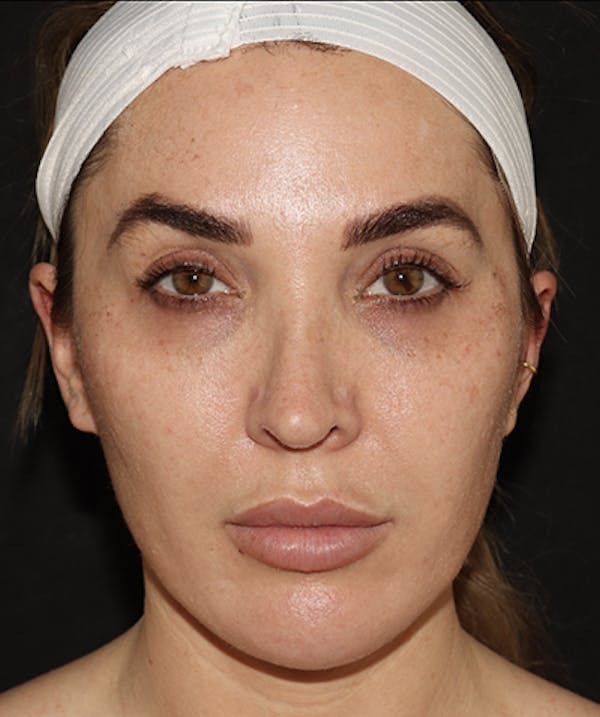
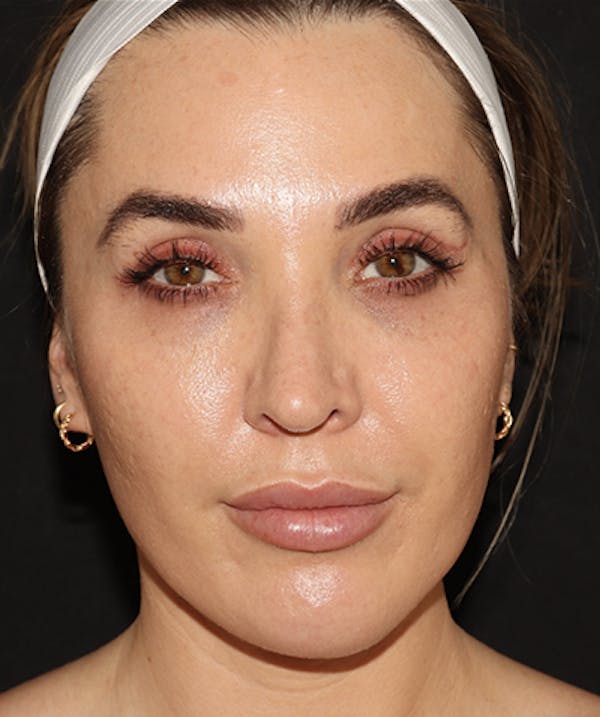
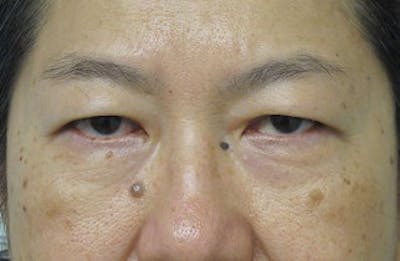
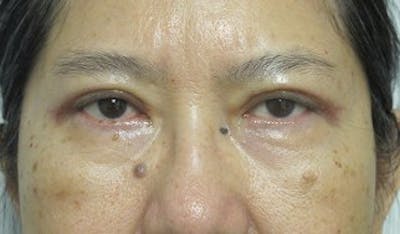
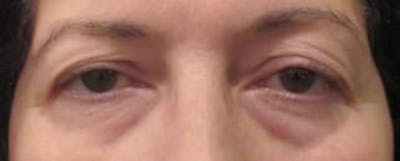
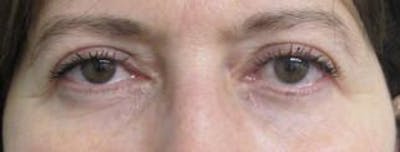
Before & After: Blepharoplasty in NYC

What Is Blepharoplasty?

Blepharoplasty is a surgical procedure that removes or repositions excess skin, muscle, and fat around the eyelids. It can be performed on the upper eyelids, lower eyelids, or both, depending on each patient's concerns. The procedure addresses both cosmetic issues — such as puffiness, hooding, and under-eye bags — and, in some cases, functional concerns, such as upper eyelid skin that has drooped enough to obstruct the field of vision.

According to the American Society of Plastic Surgeons, blepharoplasty is consistently one of the top five most performed cosmetic surgical procedures in the United States. Results are long-lasting and, when combined with the right complementary treatments, can be maintained for many years.

Banner background

Upper Eyelid Surgery

Upper blepharoplasty addresses excess skin, redundant muscle, and sometimes fatty tissue that accumulates on the upper eyelid over time. As the skin loses elasticity with age, it begins to drape over the eyelid margin — creating a heavy, hooded appearance that can make patients look tired, stern, or significantly older than they are. In some patients, the degree of hooding is significant enough to obstruct peripheral or superior vision — a functional concern that may qualify the procedure for insurance coverage. Dr. Halaas evaluates each patient carefully during the consultation to determine whether functional criteria are met.

What upper eyelid surgery addresses:

  • Excess, drooping upper eyelid skin (dermatochalasis)
  • Upper eyelid hooding that obscures the natural lid crease
  • A heavy, fatigued appearance in the upper face
  • In qualifying cases, obstruction of the visual field

The technique: Incisions are carefully placed within the natural crease of the upper eyelid, rendering the resulting scar virtually invisible once healed. Excess skin and, when appropriate, a small amount of fat are removed or repositioned. The procedure is typically performed under local anesthesia with light sedation and takes approximately 1 hour.


Yael Halaas MD

Lower Eyelid Surgery

Lower blepharoplasty targets the under-eye area — addressing the puffiness, bags, and hollowing that make patients look chronically fatigued regardless of how much sleep they get. Unlike upper eyelid concerns, which are primarily related to excess skin, lower eyelid aging often involves herniated fat pockets that push forward through a weakened orbital septum. Dr. Halaas approaches lower blepharoplasty with a preference for fat repositioning over simple removal wherever appropriate — redistributing the fat that has herniated forward to fill the tear trough area beneath, creating a smoother, more naturally rested appearance without the hollowed look that can result from excessive fat removal.

What lower eyelid surgery addresses:

  • Under-eye bags and puffiness
  • Herniated fat pockets that create a persistent bulge
  • Loose skin or fine crepey texture beneath the eye
  • Shadowing and dark circles related to structural hollowing (tear trough)

The technique: For most patients, lower blepharoplasty is performed via a transconjunctival approach — an internal incision inside the lower eyelid that leaves no external scar. In cases where significant skin removal is needed, a subciliary incision just below the lash line may be used. Surgery takes approximately 1–2 hours under local anesthesia with sedation or general anesthesia.

Benefits of Blepharoplasty

Eyelid surgery produces some of the most noticeable improvements of any facial procedure — and often with the least visible evidence of surgery. Key benefits include:

  • Immediate visual impact — The eye area is prominent; even subtle changes are dramatic in how rested and engaged a person appears.
  • Long-lasting results — Upper blepharoplasty results typically last 7–10+ years; lower eyelid results are generally permanent when excess fat is removed or repositioned.
  • Minimal visible scarring — Incision placement within natural eyelid contours makes scars virtually undetectable once healed.
  • Functional improvement — For qualifying patients, upper blepharoplasty can meaningfully improve the field of vision.
  • Highly combinable — Blepharoplasty pairs naturally with brow lift, facelift, or non-surgical treatments for a cohesive overall result.

Dr. Yael Halaas Blepharoplasty Patient Testimonial

Are You a Candidate for Eyelid Surgery?

Blepharoplasty candidates span a wide age range — from patients in their 30s dealing with hereditary under-eye bags to patients in their 60s addressing decades of accumulated skin laxity. You may be a good candidate if you are experiencing:

  • Excess skin on the upper eyelids that makes the eyes appear heavy or tired
  • Upper eyelid hooding that partially covers the natural eyelid crease
  • Persistent under-eye bags that do not respond to rest, skincare, or fillers
  • Fine, crepey skin texture beneath the lower eyelids
  • A general appearance of fatigue that does not reflect how you actually feel

Good candidates are in general good health, do not have significant dry eye conditions or other ocular health concerns, and have realistic expectations. Dr. Halaas will assess candidacy fully during the consultation and will refer patients to an ophthalmologist if any underlying ocular concerns need to be addressed first.

What to Expect: Consultation, Procedure, and Recovery

Consultation and Cost for Blepharoplasty in NYC

During the consultation, Dr. Halaas evaluates both upper and lower eyelid anatomy and discusses the patient's primary concerns and goals. She will explain which approach she recommends, what the incisions will look like, and what recovery will involve. Cost for blepharoplasty in NYC varies depending on whether upper, lower, or both eyelids are treated, and whether any additional procedures are planned. A personalized quote is provided after the consultation.

The Blepharoplasty Procedure

Eyelid surgery is performed in Dr. Halaas's AAAASF-accredited private surgical suite. Upper blepharoplasty takes approximately 1 hour; lower blepharoplasty 1–2 hours; combined upper and lower surgery typically 2–3 hours. Most patients are comfortable throughout the procedure under local anesthesia with sedation.

Recovery and Results

The eyelid area is delicate and heals relatively quickly. Most patients experience bruising and swelling in the first 1–2 weeks, with the majority of visible signs resolved by 2–3 weeks. Patients typically feel comfortable returning to work and social activities within 10–14 days. Final, fully refined results — with scars faded and swelling completely resolved — are visible at 4–6 weeks, with continued improvement over several months.

Combining Blepharoplasty with Other Procedures

Eyelid surgery is frequently performed alongside other facial procedures for a more complete result. Common combinations include:

  • Brow Lift — A descended brow can contribute to upper eyelid hooding; addressing both together produces a more open, naturally youthful result.
  • Facelift — For patients addressing aging throughout the face, combining blepharoplasty with a facelift maximizes rejuvenation within a single recovery period.
  • Non-Surgical Eye Lift — For patients not yet ready for surgery, Dr. Halaas offers non-surgical alternatives to address mild hooding or under-eye concerns.
  • Fat Transfer — Restores volume in the temple or midface to complement lower eyelid work.

Blepharoplasty FAQs

What is the difference between upper and lower blepharoplasty?

Upper blepharoplasty addresses excess skin and hooding on the upper eyelid. Lower blepharoplasty targets under-eye bags, puffiness, and loose skin beneath the eye. Both can be performed at the same time.

Is eyelid surgery painful?

Discomfort is generally mild. Most patients describe a feeling of tightness and some bruising in the first few days, which is well managed with the medications provided. The eyelid area is sensitive but heals efficiently.

How long do blepharoplasty results last?

Upper blepharoplasty results typically last 7–10+ years. Lower blepharoplasty, particularly when fat is repositioned or removed, tends to produce results that are essentially permanent for the structural correction achieved.

Is blepharoplasty covered by insurance?

Upper blepharoplasty may be covered by insurance when upper eyelid skin demonstrably obstructs the visual field. Dr. Halaas's team can assist with the pre-authorization process. Lower blepharoplasty is considered cosmetic and is not typically covered.

Can blepharoplasty be combined with non-surgical treatments?

Yes. Many patients combine eyelid surgery with Botox, dermal fillers, or laser treatments to address fine lines and skin texture around the eye area. Dr. Halaas will recommend the optimal combination based on each patient's goals.

Schedule Your Blepharoplasty Consultation in NYC

If tired, heavy, or puffy eyelids are affecting how you look and feel, Dr. Halaas invites you to schedule a consultation at her Manhattan or Westchester office. She will evaluate your eyelid anatomy, discuss your goals, and recommend the approach best suited to your needs.

This information is provided for educational purposes only and does not replace a consultation with a board-certified plastic surgeon. Outcomes, risks, and suitability vary from patient to patient.

Written by Dr. Halaas

Schedule A Consultation

In-Office Virtual

© Yael Halaas MD. All Rights Reserved.

Terms & Conditions Privacy Policy

Contact Us